
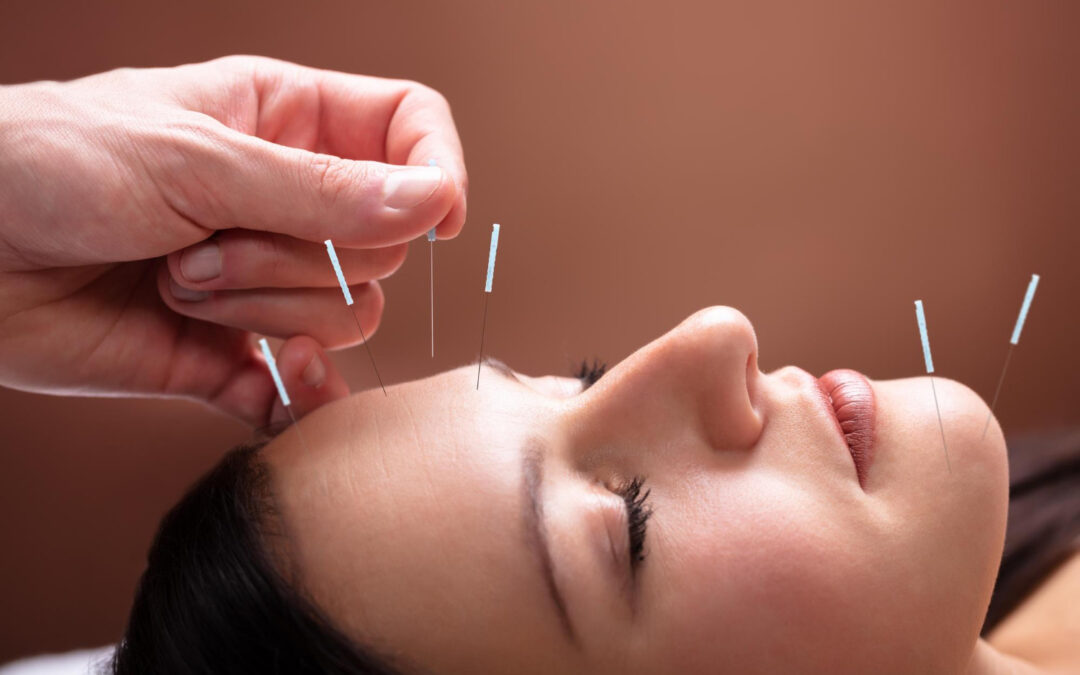
Hormonal and reproductive health concerns can show up in many different ways throughout life. From menstrual discomfort and PMS to changes during menopause or fertility journeys, these shifts often affect both the body and emotional well-being. Many people explore acupuncture as a natural option when looking for supportive care that feels gentle and personalized.
Acupuncture has long been used to support gynecological and reproductive balance by working with the body as a whole. Rather than focusing on a single symptom, sessions are designed to support circulation, relaxation, and internal regulation. Whether someone is navigating cycle-related discomfort, fertility goals, or hormonal transitions, acupuncture may offer a calming space to reconnect with the body and support balance over time.
How Gynecological Concerns May Show Up in Daily Life
Gynecological and hormonal changes do not always feel dramatic, but they can quietly influence everyday comfort and energy.
Some people may notice:
• Menstrual cycles that feel uncomfortable, heavy, or emotionally draining
• PMS symptoms that affect mood, sleep, or focus
• Hormonal shifts during perimenopause or menopause that influence temperature regulation, rest, or emotional balance
• Nausea or fatigue during pregnancy
• Stress or tension while navigating fertility challenges
These experiences are often layered and can change throughout different seasons of life. Acupuncture may help by supporting the body during these transitions, offering gentle care that adapts as needs shift.
How Acupuncture May Support Gynecological and Reproductive Health
Acupuncture works by stimulating specific points on the body that relate to circulation, nervous system regulation, and hormonal communication. Points are selected based on what the body is expressing, rather than a fixed protocol.
Acupuncture for gynecological and reproductive concerns may help by:
• Supporting smoother circulation in the pelvic and abdominal areas
• Encouraging relaxation of the nervous system, which may influence hormonal signaling
• Helping the body regulate stress, which can play a role in cycle and fertility health
• Supporting overall balance during hormonal changes
Rather than forcing the body in one direction, acupuncture aims to create conditions where the body may respond more smoothly on its own. Many people describe feeling calmer, more grounded, or more connected to their cycle after sessions.
Menstrual Support and Cycle Awareness
Menstrual discomfort and PMS are common reasons people explore acupuncture. These experiences may be influenced by stress, circulation patterns, and how the nervous system responds throughout the month.
With consistent care, acupuncture may:
• Support smoother menstrual flow
• Ease tension or discomfort before or during a cycle
• Encourage emotional steadiness during hormonal shifts
• Help people feel more in tune with their body’s natural rhythm
Over time, some people notice that cycles feel more predictable or easier to move through. These changes often happen gradually and may feel subtle at first.
Acupuncture During Menopause and Hormonal Transitions
Menopause and perimenopause bring natural changes that can affect sleep, mood, temperature regulation, and overall comfort. Acupuncture may offer gentle support during this stage by helping the body adjust to shifting hormone levels.
Sessions during this time may focus on:
• Supporting relaxation and sleep quality
• Encouraging steady energy levels
• Helping the body adapt to internal changes with less disruption
Many people appreciate having a consistent place to pause and check in with their body during this transition. Acupuncture can become part of a supportive routine as needs evolve.
Fertility and Reproductive Support
People exploring fertility support often seek care that feels both gentle and grounding. Acupuncture may be used as part of a broader wellness approach to support reproductive health in both women and men.
Fertility-focused acupuncture sessions may:
• Support circulation to reproductive organs
• Encourage nervous system calm during emotionally intense periods
• Help the body maintain balance while pursuing fertility goals
Each person’s experience is different, and sessions are always individualized. The focus remains on supporting the body rather than forcing outcomes.
What to Expect During a Session
Gynecological and reproductive acupuncture sessions are designed to feel calm and respectful. Appointments begin with a conversation about how you are feeling and what you would like support with.
During a session:
• Points may be placed on the body, abdomen, or lower legs depending on your needs
• You will rest comfortably in a quiet, supportive environment
• Many people notice deep relaxation or emotional release during treatment
Sessions often feel nurturing and restorative, offering space to slow down and listen to the body.
Supporting Balance Through Gentle, Ongoing Care
Gynecological and hormonal health is rarely static. Needs change over time, and supportive care works best when it adapts alongside those changes. Acupuncture may be one way to offer consistent support without harsh interventions.
If you are exploring acupuncture for menstrual comfort, PMS, menopause, morning sickness, or fertility support in the Scottsdale area, gentle ongoing care may help you feel more balanced and supported through each phase.
At Alivia Acupuncture Clinic LLC, treatments are personalized and designed to honor where you are in your journey. We focus on creating a calm, supportive space where your body can settle and respond at its own pace. Reach out to learn more or schedule your visit.
This information is intended for educational purposes only and does not provide medical advice, diagnosis, or treatment. Acupuncture is not a substitute for professional medical care. Please consult your primary care provider or a qualified healthcare professional regarding any health concerns or before beginning new treatments. Individual experiences may vary.