
Hip pain can sneak up slowly, or it can show up in a sharp, surprising way that stops us in our tracks. Whether it’s a dull ache that follows us through the day or a tight pinch that shows up when we climb stairs, this kind of discomfort tends to interrupt the rhythms we rely on. A walk around the block, getting in and out of a car, or kneeling to tie a shoe can suddenly become more challenging.
When the hip feels tight, sore, or limited, acupuncture may be one way to help restore balance and improve how we move through the day.
Understanding How Hip Pain Shows Up
Hip discomfort doesn’t always feel the same from person to person. Some describe it as a deep, dull ache that spreads across the outer hip. Others talk about sharp twinges that come and go when bending or walking. It might be stiff in the morning and loosen up later, or it might feel worse by the end of the day.
- When the hip is in pain, we often move differently without realizing it. This can shift posture or strain nearby muscles like the lower back or knees.
- Limping or leaning to one side can lead to changes in how we sit, stand, or step.
- Over time, this can create tension patterns that dig in and become harder to unwind.
Some discomfort builds slowly from repeated habits, like crossing the same leg every time we sit or standing with one hip pushed out. Other times, aging joints, worn cartilage, or past injuries might be part of the story. Understanding how and where the pain shows up helps guide how we offer support.
Acupuncture Basics and How It Can Help the Hip
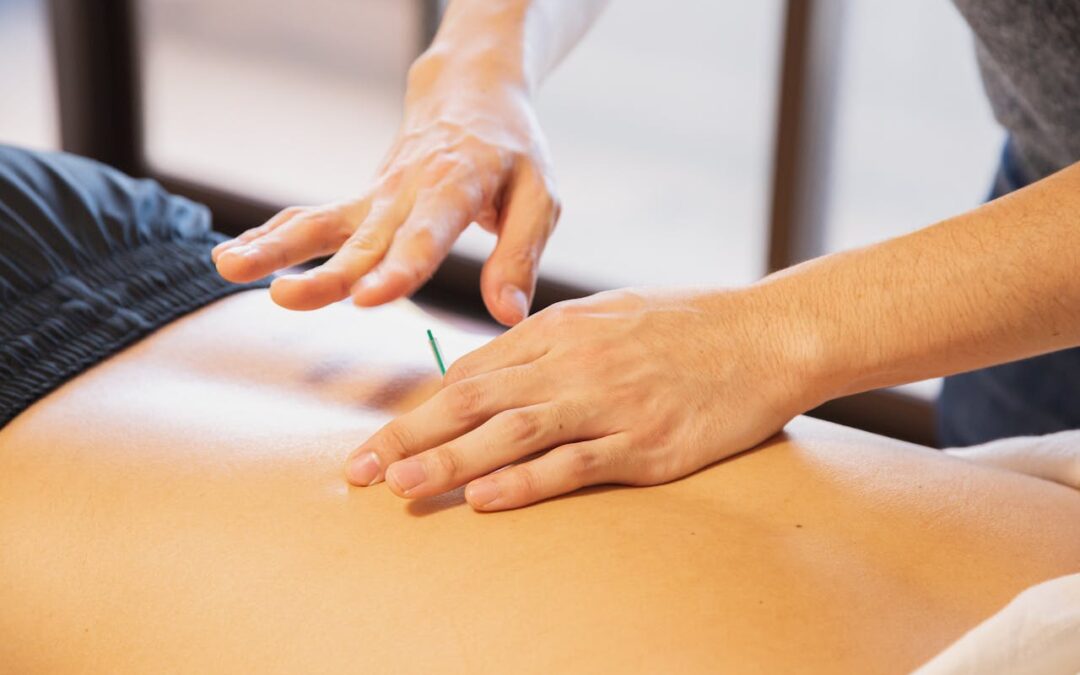
Acupuncture works with the body’s natural systems. Thin needles are placed in places that may help improve blood flow, loosen muscles, or ease stress in deeper layers. When it comes to hip discomfort, this can create room for change.
- Local points near the hip might help by encouraging circulation in the tissues around the joint.
- Distal points, or those farther from the hip, are often used too. These can help shift how the whole system responds to tension.
- In some sessions, other methods may be used alongside acupuncture. Gentle cupping or warming techniques can help bring ease where things feel stuck or tight.
The goal is not just to chase away pain. It’s to help the body feel more in sync again, like pieces of a puzzle that start fitting together with less push and pull.
Alivia Acupuncture Clinic LLC’s approach combines acupuncture with cupping, lifestyle guidance, and a tailored wellness plan to address both physical discomfort and underlying tension patterns. Our practitioners focus on finding the right points and methods for your body, drawing from both traditional Chinese medicine and modern integrative practices.
What to Expect During an Acupuncture Session for Hip Pain
A session usually begins with a slow, easy conversation. We ask about what you notice, when the discomfort shows up, how you sleep, what your day looks like. That helps us see where your body might be holding tension.
- Points are chosen based on what your body seems to need most. Some might be around the hip, while others are used to calm the nervous system or open circulation.
- The needles are very thin, and most people barely feel them once they’re in place.
- Many feel a gentle wave of relaxation during the session. Muscles often soften, and the breath becomes quieter.
Treatment plans shift depending on how your hip responds. Some people feel small changes quickly. Others need a few sessions for things to start loosening up. We check in often and adjust based on what the body shows us.
Small Shifts That Support Hip Comfort Between Visits
There are simple ways to care for your hips outside of sessions that can make everyday life feel less restricted.
- Check your posture when sitting, try not to cross the same leg out of habit or sit with the hips tilted.
- When standing, notice if you’re placing more weight onto one leg. Redistributing evenly can ease extra strain.
- Gentle stretching or slow walking can help keep things moving without pushing too hard.
Pay attention to how your hip feels during common movements. Going up stairs, stepping into the car, or reaching down to tie shoes can all offer clues. When we start noticing these moments, we can shift how we move in ways that reduce tension.
Sometimes, we’re not even aware of these habits until pain brings them to our attention. With a little awareness and patience, we can start to break those patterns and give our hips a better chance at feeling normal. These shifts, over time, can help your sessions do more for you and may improve your mobility for the long term.
When Spring Activities in Scottsdale Bring Hip Pain to the Surface
As Scottsdale starts to warm up in spring, more people spend time outdoors, taking walks, biking, or jumping back into soft workouts. That return to movement can sometimes bring hidden tightness or discomfort to the surface.
- Hips that have been stiff all winter might resist sudden changes in activity.
- New patterns of movement, gardening, walking longer distances, or standing for events, can highlight old tension in the legs or pelvis.
- Acupuncture may help support flexibility and ease, especially when the body is moving more than usual.
When we transition from cooler months to sunnier days, activities like hiking, spring cleaning, or family get-togethers become more common. These changes can test the hip in new ways and make small aches more noticeable. Tending to the body mindfully at this time of year may help cut down on nagging pain or prevent it from lingering.
Starting support early in the season may help prevent deeper patterns from setting in. With steady care, the hips often begin to move more freely in step with spring routines. As you gently increase your activity, it’s helpful to watch for any signals from your body and let your practitioners know how you’re feeling. This helps shape the most supportive approach for that time of year.
Finding Steady Support for Long-Term Movement
Hip pain can slow us down, shift our attention, or pull us out of the everyday flow. It tends to affect more than just walking, it can change the way we rest, how we sit, or how confident we feel tackling basic routines.
Acupuncture may help by working with the body’s own healing processes. Over time, the right kind of support, paired with small changes, can help restore a strong foundation for movement. Some people start to notice they can bend more freely, walk more evenly, and feel more settled in how they carry themselves through the day.
Feeling better in your hips can make a big difference in everyday life. Simple things–like getting dressed, carrying groceries, or going for a walk–become less of a chore and more of a pleasure. Staying in tune with your body’s needs, keeping up with gentle routines, and having regular acupuncture sessions may help you maintain that sense of comfort and flexibility as the seasons change.
This information is intended for educational purposes only and does not provide medical advice, diagnosis, or treatment. Acupuncture is not a substitute for professional medical care. Please consult your primary care provider or a qualified healthcare professional regarding any health concerns or before beginning new treatments. Individual experiences may vary.
When your hips feel tight or out of balance, our team is here to guide you toward more comfortable movement. Acupuncture supports circulation, relaxes overworked muscles, and creates needed space in areas that feel stuck. Many people looking for acupuncture in Scottsdale want a natural way to feel better in their bodies. At Alivia Acupuncture Clinic LLC, we offer personalized care that’s gentle, thoughtful, and focused on what your body needs. Reach out today to schedule your session and take the next step toward feeling more at home in your body.