
Is the term prebiotic or synbiotic new for you? Maybe you have heard it mentioned on the news or by your health care practitioner, but here is why they can benefit you. If you have not read my blog about probiotics or if you want to read it again . In my last blog, I spoke about Probiotics. When we take probiotics, we are ingesting good bacterias that will have a positive effect on us. PREBIOTICS is food for that good bacteria. Yes, we can support the beneficial bacteria in our gut by feeding them right. The same as us, they need to eat healthy to be able to thrive, survive, and compete with the bad microorganisms that can be present. SYMBIOTICS, on the other hand, are a combination of pre and probiotics. A formula with both, an appropriate microbial strain and a prebiotic that is right for that strain can increase the probiotic effect in the gut. Confusing but will make this clear. Let’s first talk about prebiotics. PREBIOTICS Because prebiotics feed intestinal bacteria, they stimulate their growth, especially the beneficial bacteria Bifidobacterium.
Prebiotics occur naturally in some dietary food products. Prebiotic foods are high in special types of fiber that support digestive health. It is important to know that not all fiber has probiotic properties. Even though some foods are rich in prebiotics, the concentration is low and because of this, prebiotic supplements have been developed on a large scale.
Some of the foods that are rich in prebiotics are the following:
- Chicory root
- Jerusalem Artichoke
- Garlic
- Onions
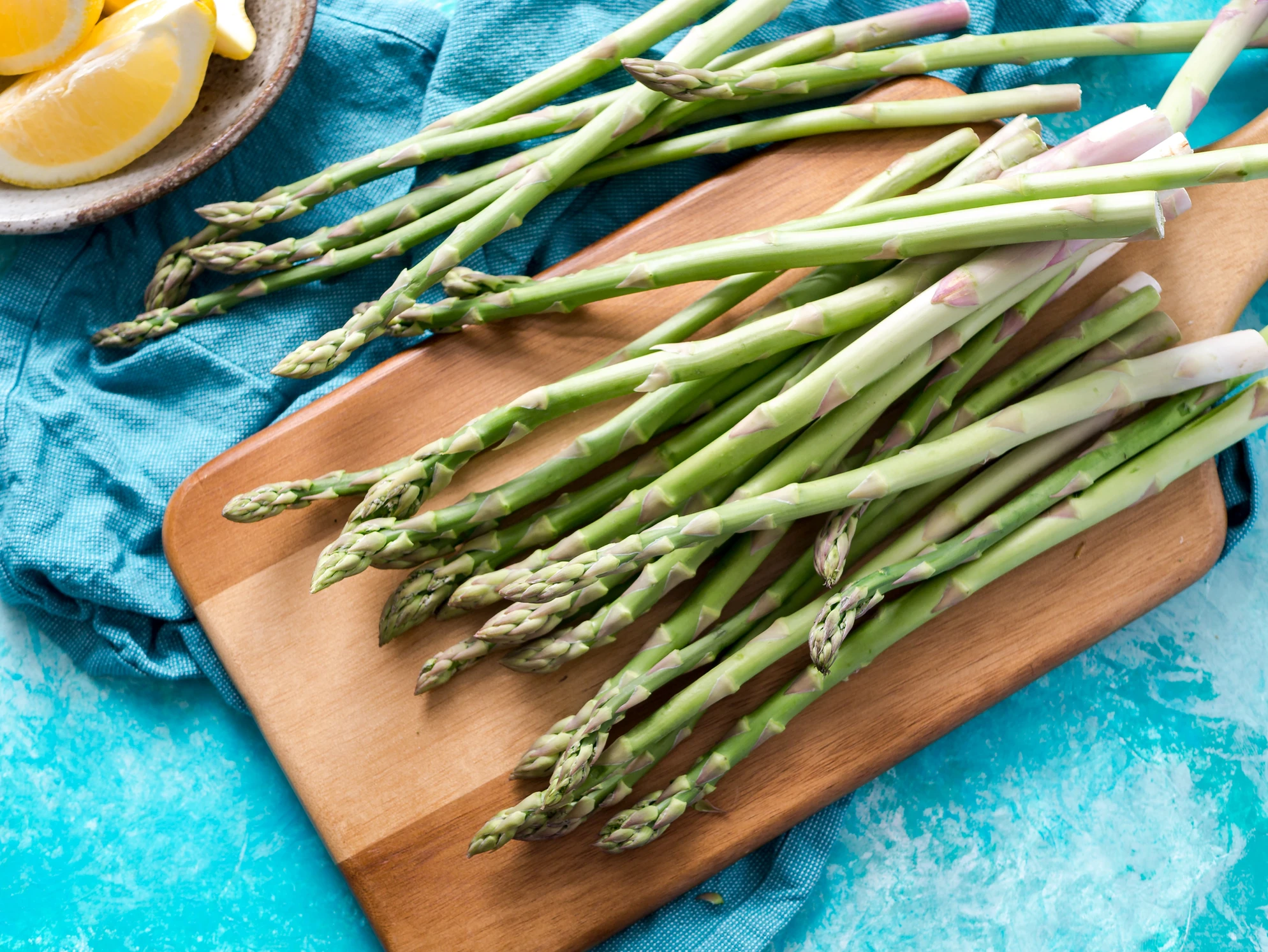
- Asparagus
- Leeks
- Flaxseed
- Jicama
- Dandelion greens
- Bananas
- Sugar beets
- Seaweed and microalgae
The benefits of prebiotics are similar to probiotics:
1. Stimulate the growth and activity of good bacteria in the gut
2. Help good digestion
3. Increased absorption of minerals, mostly calcium and magnesium
4. Reduction of blood LDL (Low-density lipoproteins) also known as the “bad cholesterol”
5. Stimulate the immune system
6. Health maintenance and protection against disorders such as Crohn’s Disease and others (there is continuing research on this).
Even though prebiotics and probiotics may have similar benefits, there are some advantages of taking prebiotics rather than probiotics. Prebiotics have a longer shelf life and resist processing better than probiotics. They can also resist stomach acid, therefore, they can get intact into the intestines where they can produce their beneficial effects.
Prebiotics have no life-threatening or severe side effects. However, they can cause mild side effects such as diarrhea, bloating, cramping and, gases, even while taking them in the correct dosage. As with probiotics, their usage is controversial when there is prominent immunodeficiency (cancer, transplant, HIV) so talk with your doctor first before starting any them.
Prebiotics can be used as an alternative to probiotics, or as additional support for them. When taking them together in a pill, they are called synbiotics, and here is information about them.
SYNBIOTICS
As mentioned before, when a supplement has a probiotic strain with the specific food for that strain (prebiotic) we have a Synbiotic. Synbiotics seem to have great success because probiotics are susceptible to stomach acid, bile, and other factors when passing thru the gastrointestinal tract. When a probiotic is paired with a prebiotic, the chances for that probiotic to reach the gut and produce their beneficial effects are stronger.
There is ongoing research on synbiotics and we still have much to learn about them.
Ther is no doubt of the benefits of eating foods with probiotics and prebiotics, or taking them as supplements. However, supplements are not well regulated. Always be careful with what you buy, there is no guarantee that the product that you will buy will be effective, and ALWAYS ALWAYS ALWAYS consult your health care practitioner before starting any of them. Stay tuned for the last part of my blog on the relationship between gut, immunity, and Chinese medicine.
Feel free to leave a comment or ask any questions you may have.
Have a happy day!
References: Probiotics, prebiotics and synbiotics- a review https://www.ncbi.nlm.nih.gov/pmc/articles/PMC4648921/
Effects of Probiotics, Prebiotics, and Synbiotics on Human Health https://www.ncbi.nlm.nih.gov/pmc/articles/PMC5622781/
Probiotics and prebiotics potential for the care of skin, female urogenital tract, and respiratory tract https://www.ncbi.nlm.nih.gov/pmc/articles/PMC7090755/
Prebiotics: Definition, Types, Sources, Mechanisms, and Clinical Applications https://www.ncbi.nlm.nih.gov/pmc/articles/PMC6463098



0 Comments