
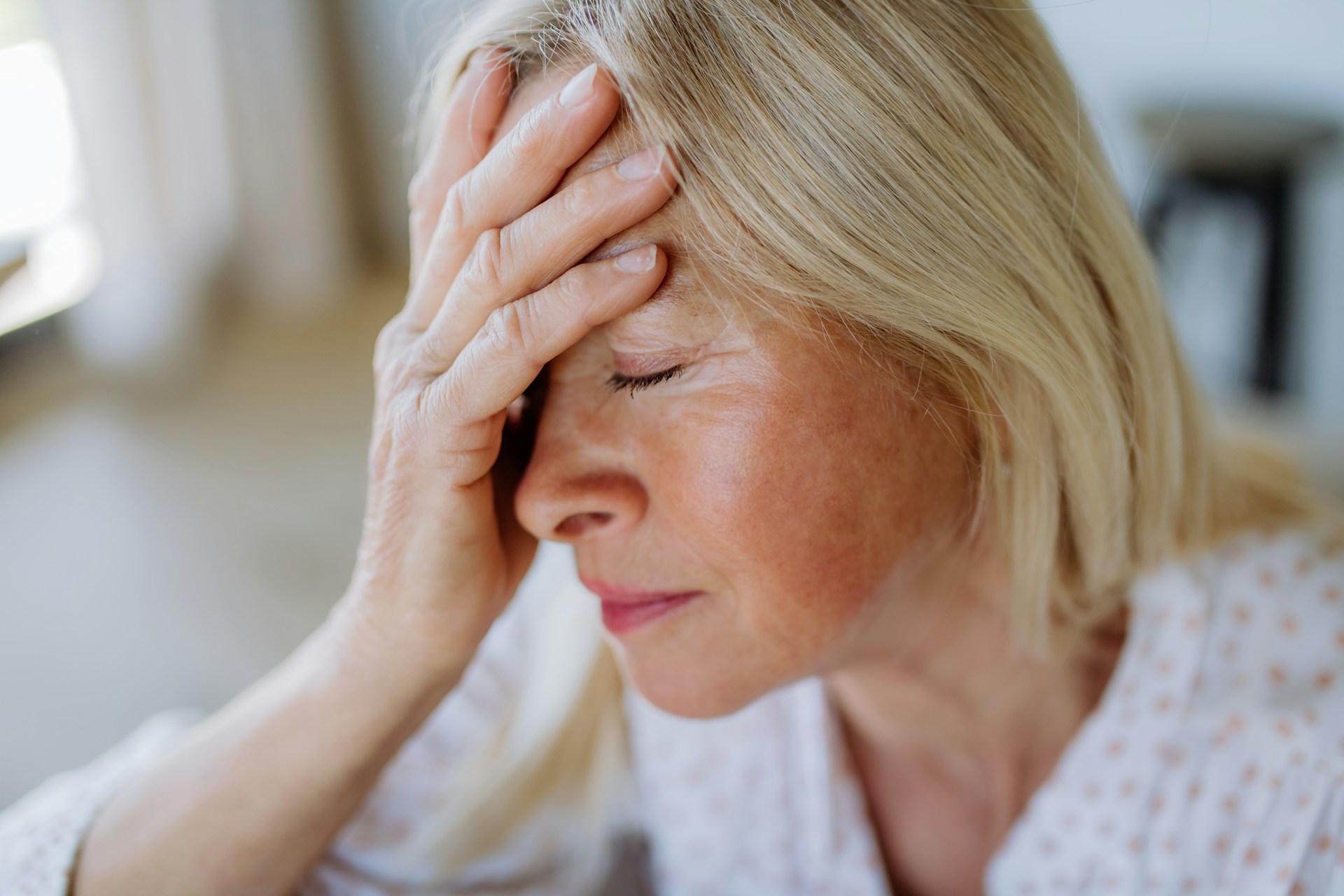
Menopause can be a time of big change, both in the body and in how we feel day to day. Some people may notice trouble sleeping, more body heat at odd times, or shifts in mood without a clear reason. There can be a sense that the usual ways of handling stress or daily tasks don’t work the same anymore. For many, these changes can feel both confusing and tiring.
That’s when body-based care can offer something different. If you’ve been looking for support here in Scottsdale, you’re certainly not alone. Acupuncture isn’t about doing more. It’s about doing less and helping your body come back to center during a new phase of life. We often use this time to slow things down, and that rhythm can feel especially steady as the season shifts from winter into early spring.
What Happens in the Body During Menopause
Menopause is a natural stage, and everyone experiences it in their own way. On a basic level, the body begins to slow down the production of hormones like estrogen and progesterone. These hormones did a lot of behind-the-scenes work for many years, so it’s no surprise that their decline can affect several areas at once.
- Some may have hot flashes during the day or night, or a flushed feeling that builds and fades on its own.
- Sleep may become less predictable, and falling or staying asleep can feel harder than it used to.
- Mood may shift more often than feels usual. Small things might feel more frustrating or emotional.
- Digestion can also feel off rhythm, and certain foods may feel harder to handle than before.
- Even mental focus or energy can be harder to hold onto, especially with added work and family responsibilities.
For all of this, many people want ways to care for themselves that feel supportive but not overwhelming. That’s where body-based therapies like acupuncture come in. They give space for the body to move more gently through the changes without the pressure of strong interventions.
How Acupuncture May Help During Menopause
Acupuncture works through the simple touch of thin needles placed at specific points on the body. These points are chosen based on what someone is feeling and where the body seems to hold tension, heat, or fatigue. During menopause, treatments often focus on calming the nervous system and supporting flow where things feel stuck.
- Acupuncture can help by increasing circulation, which may help cool the body and ease hot flashes.
- Regular treatment may also reduce tension in the muscles, which may bring a physical sense of ease.
- Many points used for hormonal support are also known for shifting the body into a calmer state, which can soften mood swings or anxious thoughts.
- Treatments are gentle and never rushed, helping create a safe space to rest without needing to explain everything going on.
We’ve noticed that many people leave a session feeling calmer in both mind and body. The shift might be small at first, but that small pause allows the body to slowly reset.
Potential Benefits of Regular Acupuncture Sessions
Keeping a steady rhythm with acupuncture may help deepen the body’s ability to stay regulated during hormonal changes. In our experience, people who come regularly begin to notice small changes that add up.
- Many find their sleep starts to even out. It may take time, but they begin waking up fewer times per night.
- Hot flashes or night sweats may lessen, or feel shorter when they show up. When the body is better able to manage heat internally, those intense waves don’t hit as hard.
- Mood may feel less all over the place. While everyone has ups and downs, the edges aren’t always so sharp.
Another part we hear often is that people just feel more like themselves again. There’s more space between stress triggers, better recovery after a long day, or just a sense of calm they didn’t expect. These outcomes come not from pushing harder, but from showing up consistently and allowing the body to soften through care.
Why Scottsdale’s Early Spring May Be a Good Time to Begin Care
March in Scottsdale starts to feel a little lighter. Mornings are still cool, but the days stretch longer, and the sun feels just a bit warmer on the skin. After winter, this shift in seasons may bring new energy, or more tiredness, depending on where you are in your cycle or how your body has been doing lately.
- Early spring is a good time for small changes, not big plans. That makes soft, steady practices like acupuncture a natural fit.
- Longer light during the day can create a nice rhythm for care that matches your schedule, especially if you’re starting to re-enter outdoor activity or plan travel later in the year.
- It’s also a season when the focus starts to shift from hibernation to motion. If your body feels like it’s been holding too much for too long, care that allows release can make a real difference.
We think this part of the year offers a kind timing window. Your body is ready for something new, but not in a rushed way. Acupuncture makes room for your inner pace to lead for once.
Creating Room for Calm and Balance
Menopause may bring all kinds of experiences, some physical, some emotional, some unexpected. For a lot of people, it’s hard to explain what’s off, but they know they want something that truly supports where they are now. Acupuncture may offer one way to bring in more calm, more control, and a feeling of steadiness as things shift.
It’s not about trying to fix every symptom. It’s about finding room to breathe, to rest, and to reconnect with a rhythm that feels right for your body. Through small, consistent care that respects your pace, it’s possible to feel more stable through the changes that come with the season and this time of life.
Navigating a season of change can leave you feeling out of sync, but gentle acupuncture treatments may help restore balance, ease tension, and support a calmer daily rhythm. Whether you’re dealing with shifting moods, uneven sleep, or just need a reset, our team at Alivia Acupuncture Clinic LLC is here to guide your wellness journey. If you’ve been looking for acupuncture in Scottsdale, we invite you to reach out and schedule your first appointment today.
This information is intended for educational purposes only and does not provide medical advice, diagnosis, or treatment. Acupuncture is not a substitute for professional medical care. Please consult your primary care provider or a qualified healthcare professional regarding any health concerns or before beginning new treatments. Individual experiences may vary.



0 Comments