
Sciatica has a way of making itself known. Sensations may begin in the lower back and travel down the leg, sometimes making everyday movements like standing or walking feel uncomfortable or strained. For many people searching acupuncture near me, the hope is to find supportive care that feels gentle and non invasive.
Winter in Scottsdale, Arizona brings cooler mornings and drier air, which may cause muscles to feel tighter or more sensitive. This slower season may create space to notice what the body needs and explore supportive options. Acupuncture may be one approach that helps ease tension around the sciatic nerve and support a greater sense of balance through the lower back and legs. Here is how that process may look.
Understanding Sciatica and How It May Affect Daily Life
Sciatica is not a diagnosis on its own. It is a pattern of symptoms that may occur when the sciatic nerve becomes irritated or compressed. This nerve travels from the lower back through the hips and down each leg. When surrounding tissues are tight or strained, discomfort may follow.
- Some people may experience sharp, burning, or radiating sensations down the leg
- Others may notice tingling, weakness, or heaviness that may worsen with prolonged sitting or standing
- Everyday activities like walking or running errands may begin to feel more effortful
These sensations may fluctuate depending on posture, stress levels, activity, or rest. Even sleep position may influence how symptoms show up. This is why supportive care like acupuncture often looks at the body as a whole rather than focusing only on the nerve itself.
How Acupuncture May Help Support Sciatic Discomfort
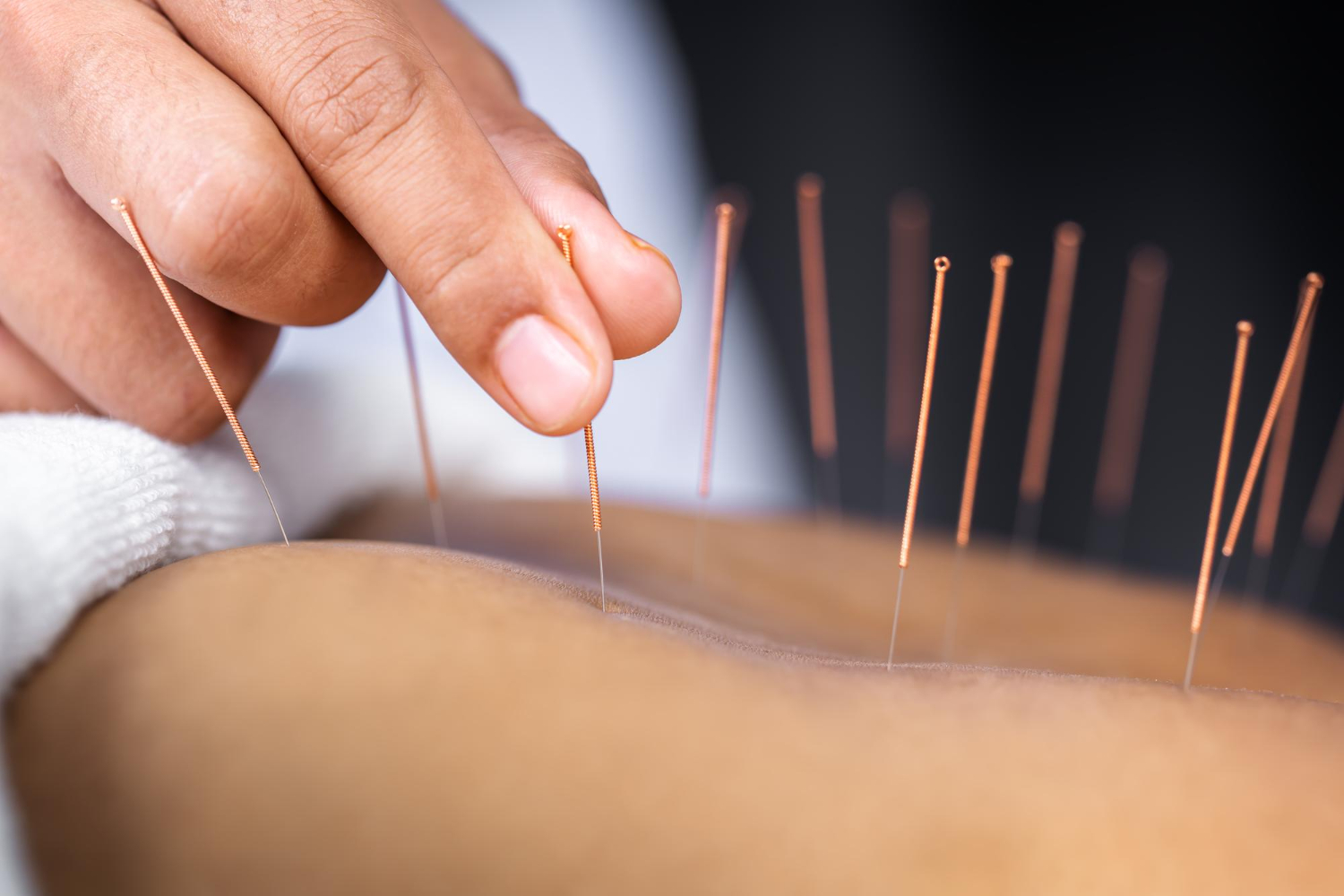
Acupuncture may help support sciatic comfort by encouraging muscle relaxation, supporting circulation, and helping calm nervous system activity. By stimulating specific points near the hips, lower back, legs, or distal areas, the body may begin to release patterns of tension that contribute to discomfort.
- Stimulating acupuncture points may help soften muscles that may be placing pressure on the nerve
- Improved circulation may support warmth and nutrient delivery to areas that feel stiff or restricted
- Nervous system regulation may help reduce how strongly discomfort signals are perceived
For those quietly searching acupuncture near me in hopes of a natural option, acupuncture may offer supportive care that works with the body rather than overriding it. Changes often occur gradually and may build with consistency rather than immediately.
What Acupuncture Support for Sciatica May Involve
Because sciatic discomfort can present differently from person to person, care typically begins with a conversation. We explore where sensations show up, how long they have been present, and what seems to influence them.
- Acupuncture points may be selected along the spine, hips, glutes, or legs where tension tends to accumulate
- Distal points on the hands or feet may be used to support nerve pathways
- Each session may be adjusted based on how the body responds over time
Consistency often plays an important role. Sciatic symptoms may develop gradually and may respond best to steady, ongoing care. Some people may notice small shifts early, while others may experience changes more slowly as the body adapts.
Why Winter in Scottsdale May Be a Supportive Time to Begin
Even in Scottsdale, winter brings cooler temperatures and drier conditions that may affect muscle flexibility. Reduced activity during colder weeks may also contribute to stiffness or tension.
- Dry air may contribute to tighter muscles that affect the lower back and hips
- Fewer social obligations may make it easier to prioritize supportive care
- Slower routines may allow for better awareness of how the body feels
Beginning supportive care during winter may help some people feel better prepared as activity levels increase in spring.
Moving Toward Ease at a Gentle Pace
Sciatic discomfort may affect daily life in subtle but meaningful ways. Sitting, driving, or resting may feel less comfortable than usual. Acupuncture may help support the body by calming nerve stress, improving circulation, and encouraging muscle release over time.
Progress often happens gradually. With steady care, some people may notice improved comfort, better rest, or increased ease with movement. Our approach focuses on meeting the body where it is and supporting change at a pace that feels manageable.
If sciatic discomfort is affecting your daily routine, acupuncture may offer gentle support. At Alivia Acupuncture Clinic LLC in Scottsdale, treatments are designed to support relaxation, circulation, and nervous system balance over time. Many people searching for acupuncture near me are looking for thoughtful care that respects their body’s pace, and we are here to provide that support. Reach out to schedule a visit and explore your next steps.
This information is intended for educational purposes only and does not provide medical advice, diagnosis, or treatment. Acupuncture is not a substitute for professional medical care. Please consult your primary care provider or a qualified healthcare professional regarding any health concerns. Individual experiences may vary.



0 Comments