
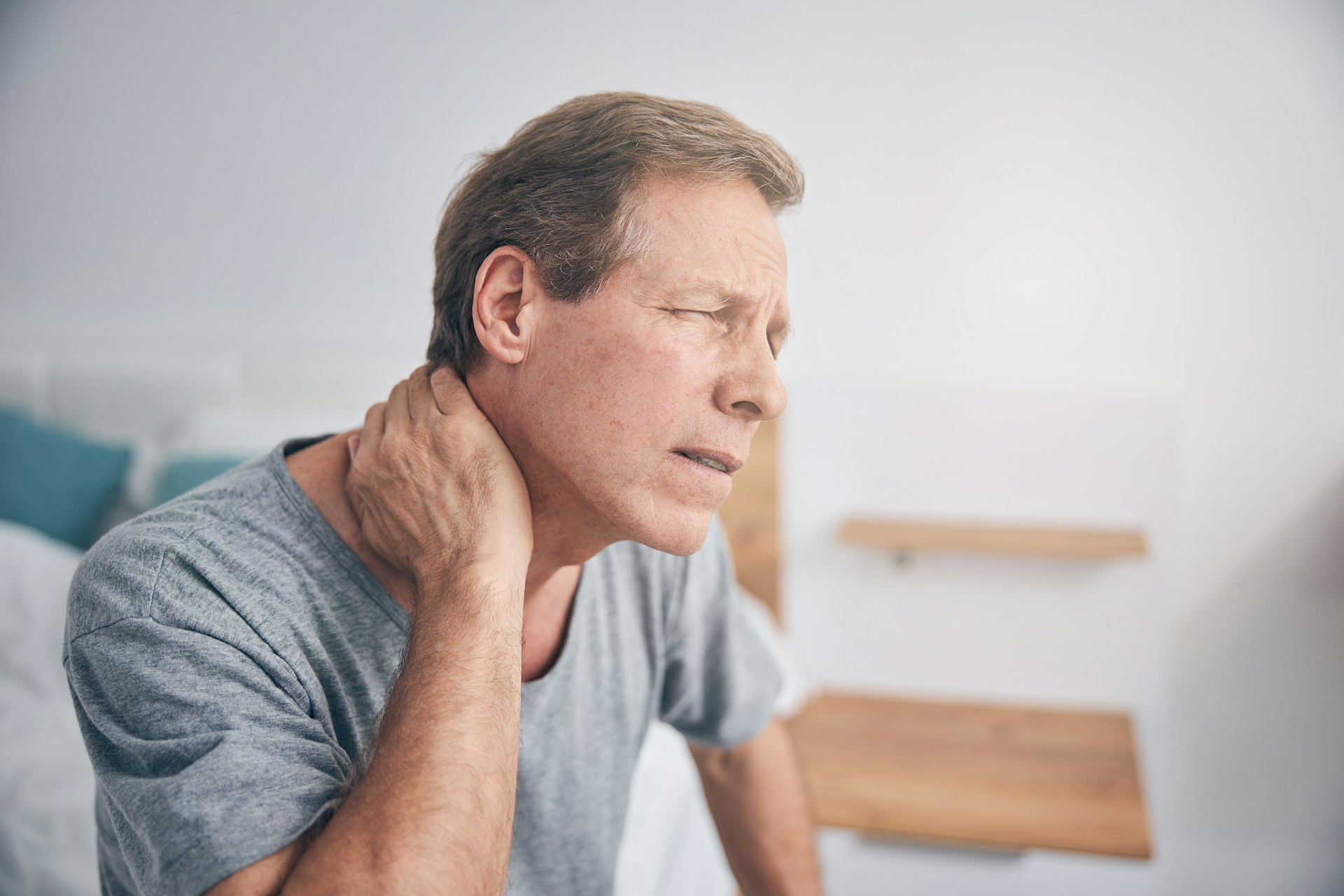
Neck pain can sneak up on us, especially when we are managing long days, sitting at desks, or carrying stress in our shoulders. It might feel like stiffness after sleep or tightness that builds while working. For many, it shows up during busy routines and lingers longer than we would like. That is when we start tuning in and asking what might help ease the tension.
If you have been up late searching for acupuncture in Scottsdale, you are likely looking for natural relief that meets your body where it is right now. Acupuncture may be one way to support the body’s healing rhythm without added strain. As the cooler days of winter begin to shift into spring here in Arizona, this can be a good time to slow down, check in with how we feel, and offer the neck and shoulders real support.
How Neck Pain Shows Up in Daily Life
Neck muscles do more than we often realize. They help us turn, look up, look down, and hold our heads up high all day long. Over time, little habits add up, staring at a phone, slouching in a chair, or sleeping in the wrong position. These small things can turn into tightness that does not go away so easily.
- Sitting in front of a computer all day can cause the upper back and shoulders to tighten.
- Looking down at screens or hunching over can lead to aching or a loss of range in the neck.
- Some people find neck discomfort affects more than just their shoulders. It may feel like fatigue, headaches, or shorter patience during the day.
As spring rolls in, we tend to move more and spend longer hours outside. Walking the dog, tending the garden, or restarting a workout routine often brings neck and shoulder tension into focus. This time of year provides a natural chance to check in physically and notice what areas need some attention.
How Acupuncture May Help Relieve Neck Pain
Acupuncture offers a gentle and thoughtful approach to physical tension. It works by activating specific points across the body that may help with circulation, nerve signaling, and relaxation. For those carrying stress in the neck or shoulders, this can mean a real difference in how we feel during the day.
- Acupuncture may help ease neck pain by improving blood flow in tense areas, bringing warmth and softening the tissue.
- Some points used in treatment may signal the nervous system to calm down, which can decrease the sense of tightness or guarding in problem spots.
- People often describe a deep sense of calm after a session, along with small shifts in how freely they move their neck or shoulders.
Each person carries tension in a different way, so acupuncture treatments can be adjusted to match where and how the body needs support. Some may have more stress-related patterns, while others have soreness that lingers after old strains or injuries. In both situations, acupuncture gives the body time and space to heal.
What to Expect During a Neck Pain Acupuncture Session
Our sessions are quiet and unhurried. We listen closely to how you are feeling and place the needles with care. Typically, we use points around the neck, shoulders, upper back, or sometimes farther away if the tension pattern extends through the arms or spine.
- Some people need points that help settle the nervous system before releasing physical tightness.
- Others benefit most from points that increase circulation in a focused area, helping the tissue soften right where it is tight.
- Sessions typically bring on a calm, almost meditative state. The needles are very thin and most people hardly notice them once they are placed.
The number of sessions can vary depending on how long the pain has been around and how much tension needs to unwind. Some feel improvement quickly, especially in early spring when the body is naturally ready to move again after winter stillness. With gentle support and a few small changes to daily posture, greater comfort becomes more possible.
Finding a Good Fit in Scottsdale
We know there are many options that come up when searching for acupuncture , especially around Scottsdale. What matters most is finding someone who listens closely and cares about the small details in your day-to-day life. No neck pain story is exactly the same, and treatment plans work best when they follow your body’s rhythm, not just a fixed protocol.
- A thoughtful approach makes it easier to notice what habits are feeding neck tension, such as how you sleep or hold yourself during the day.
- Including seasonal patterns helps as well, especially during spring when we naturally shift from slower movements to more active days.
- We take time to understand whether your discomfort is tied to posture, past stress, or simply too many days of doing everything for everyone else.
Acupuncture is effective when it meets the body as it really is, full of history, structure, and emotion. That is why we give attention to more than just the neck. We often ask how you have been sleeping, moving, or handling stress, since neck tension does not happen in isolation.
A Calmer Neck, a Clearer Mind
Neck pain may show up as stiffness, soreness, or sharp twinges, but the effects tend to ripple further. It can impact energy, make rest harder, or add a layer of tension that is tough to shake. Acupuncture may offer a calming shift, supporting the neck, improving circulation, and soothing the nervous system.
As Scottsdale moves into warmer days and longer light, it is a helpful time to work on restoring ease in the body. A few thoughtful sessions and a slower pace may help the neck let go of winter’s weight. Over time, a steady rhythm of body-based care brings not just physical relief, but a clearer sense of focus and emotional balance too.
Acupuncture can offer gentle support for your neck, especially when sessions are created with your needs in mind. At Alivia Acupuncture Clinic LLC, we take the time to listen, notice patterns, and provide a calming experience focused on relieving shoulder and neck tension. Those in Scottsdale seeking a natural approach can find more about how we support clients searching for acupuncture. Feel free to contact us to schedule your session or ask any questions.
This information is intended for educational purposes only and does not provide medical advice, diagnosis, or treatment. Acupuncture is not a substitute for professional medical care. Please consult your primary care provider or a qualified healthcare professional regarding any health concerns or before beginning new treatments. Individual experiences may vary.



0 Comments