
Sciatica is one of those words that you usually don’t think about until your lower back flares up or a tingly, sharp sensation starts running down your leg. It’s not just pain; it can be a deep, nagging discomfort that throws your whole body off. Around September in Scottsdale, Arizona, the mix of lingering summer heat, long car rides after weekend getaways, or changes in daily schedules can make these aches pop up more often.
We hear from people looking for acupuncture for back pain, especially when sciatica becomes hard to ignore. The idea of easing the tension with something gentle and natural makes sense. For those wondering how acupuncture might fit in, we’ll walk through how it could support the body with sciatica-type symptoms, especially during this seasonal shift.
What Is Sciatica and Why It Can Be So Uncomfortable
The term “sciatica” covers a range of symptoms tied to the sciatic nerve. This nerve starts in the lower part of the back and stretches down the back of each leg. When it becomes irritated, pain might show up in the lumbar spine, travel through the hip, and sometimes extend all the way to the foot.
People often describe sciatica as:
- A sharp or shooting pain from the lower back to one leg
- A dull ache that lingers in the hip or buttock
- Tingling or pins-and-needles around the thigh or calf
These symptoms can come and go, or stick around for longer stretches. Sitting for long periods, long drives, or standing in lines may make things worse. Seasonal stress, like back-to-school schedules, yard cleanups, or sleeping in new positions after vacation travel, can also stir things up.
Acupuncture Can Help by Calming the Nervous System
When the nervous system is overworked, like after days of sitting too long or dealing with stress, it holds on to tension. One way acupuncture may help with sciatica is by encouraging the body to release some of that grip.
Here’s what that might look like:
- Gentle stimulation of acupuncture points may help relax tight back, glute, and hip muscles.
- Treatments are known to calm the body’s “fight-or-flight” response, which can ease nerve sensitivity.
- Improved circulation may support tissue repair and reduce feelings of pressure or stiffness.
When we use acupuncture to settle tension in the lower body, many people tell us they feel more grounded or steady afterward. That’s a good sign that the nervous system is softening its response. And for sciatica, that shift can bring a sense of natural relief.
Supporting the Lower Back with Focused Acupuncture Points
Each body is different, but when discomfort sits in the lower back, we use points that have a direct relationship to the spine, hips, and legs. These areas become tense when sciatica symptoms are active, and acupuncture can help release some of that built-up tension.
Our focus may include:
- Points near the sacrum and hips to relax surrounding tissue
- Channels along the leg that relate to the path of the sciatic nerve
- Areas of the foot and ankle that can help calm nerve signals
These small, specific points can have a wide-reaching effect on how the whole lower body feels. With consistent sessions, some people notice less frequent flare-ups and a smoother sense of mobility.
What a Typical Sciatica-Focused Acupuncture Visit May Look Like
No two sessions are exactly alike, but visits tend to follow a calm, comfortable flow. We usually begin by asking about your daily routine. Things like your posture, how long you sit or stand, and what side you sleep on can all give clues.
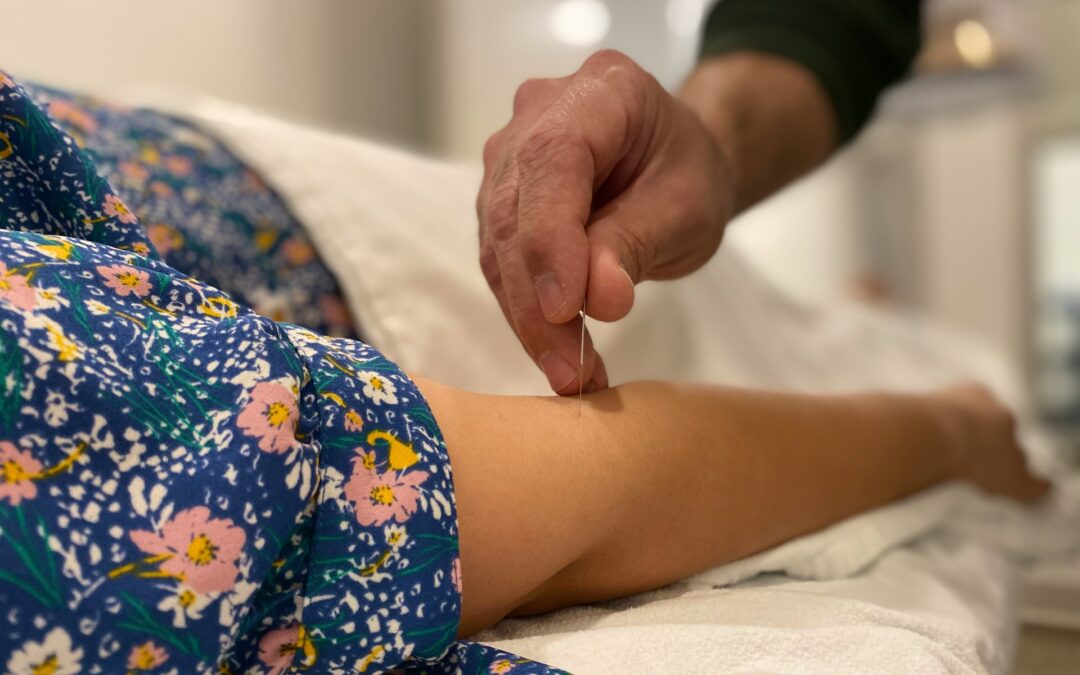
Once we understand how your body is responding, you’ll likely lie face down or on your side, whichever feels best. Then we place tiny, hair-thin needles into selected points. These points may be local (near the pain) or connected to underlying imbalances that need attention.
Clients often describe the treatment as deeply relaxing. Some fall asleep, others feel a light warmth or gentle pulsing. Sciatica symptoms may not disappear overnight, but each session builds on the last, helping keep the body from slipping back into tension patterns too easily.
Why Fall Can Be a Good Smart Time
In Scottsdale, September still feels like summer. The sun is strong, the ground is dry, and people are getting back into school or work routines. That’s a stretch where sciatica tends to flare—tight hips, not enough movement, too much stress, or long drives in the heat.
This time of year is perfect for setting a rhythm that keeps your body supported through the seasons ahead. Acupuncture is not just about relief; it’s also about giving your nervous system an intentional reset before tension builds up.
Some people like to come in as the school year starts, before the holidays hit and schedules get busy again. These seasonal touchpoints can give the body a boost so it doesn’t lose its balance halfway through fall.
Small Steps Toward More Comfortable Days
Some days, sciatica can feel like a wall—sharp, frustrating, and physically limiting. Other days, it’s more of a background hum. Wherever you are on that scale, we believe small steps matter. That could mean resting more, stretching at your desk, or finding ways to calm the nervous system before discomfort gets too loud.
Acupuncture may support those small steps. It offers the body a break from the tension it holds. That’s especially useful when symptoms come and go, as they often do with sciatica. This kind of care isn’t a one-time fix, but a way to help your body stay steady over time. As the season shifts in Scottsdale and life speeds up again, a little steady support can go a long way.
Struggling with a tight lower back or the familiar tingle of sciatica? Acupuncture may provide a gentle approach to easing your discomfort. Many people searching for acupuncture for back pain want effective, non-invasive support, and that is exactly what we strive to deliver here in Scottsdale, AZ. At Alivia Acupuncture Clinic LLC, we take time to understand your needs and develop targeted treatments to help restore your balance. Whether your pain is sharp, dull, or comes and goes, we are here to support your comfort. Contact us to schedule a visit and discover how acupuncture could help you feel better.
This information is intended for educational purposes only and does not provide medical advice, diagnosis, or treatment. Acupuncture is not a substitute for professional medical care. Please consult your primary care provider or a qualified healthcare professional regarding any health concerns or before beginning new treatments. Individual experiences may vary.