
Make Every Recovery Day Count
Lingering tightness after a hard workout can leave you wondering what kind of support may fit into your recovery routine. When your calf feels tight after a run, your shoulder feels stiff after swimming, or your low back is sore after a game, dry needling may be one technique worth discussing with a licensed acupuncturist.
Dry needling is one of several needling techniques an acupuncturist may incorporate into individualized care. Depending on your symptoms and goals, treatment may include techniques focused on tight muscles or trigger points alongside other acupuncture approaches that consider the body more broadly.
At Alivia Acupuncture Clinic, we view needling techniques as one possible part of a larger recovery plan. Acupuncture does not replace appropriate rest, sleep, hydration, progressive training, physical therapy, or medical care when needed.
Dry Needling Is One Technique Used in Acupuncture
Dry needling is not separate from everything an acupuncturist does. It is one of the techniques a licensed acupuncturist may use when working with sports injuries, muscle tension, myofascial trigger points, and movement-related discomfort. Acupuncture is much broader and may incorporate trigger-point needling, motor-point needling, traditional and distal acupuncture points, electroacupuncture, and other techniques within an individualized treatment plan.
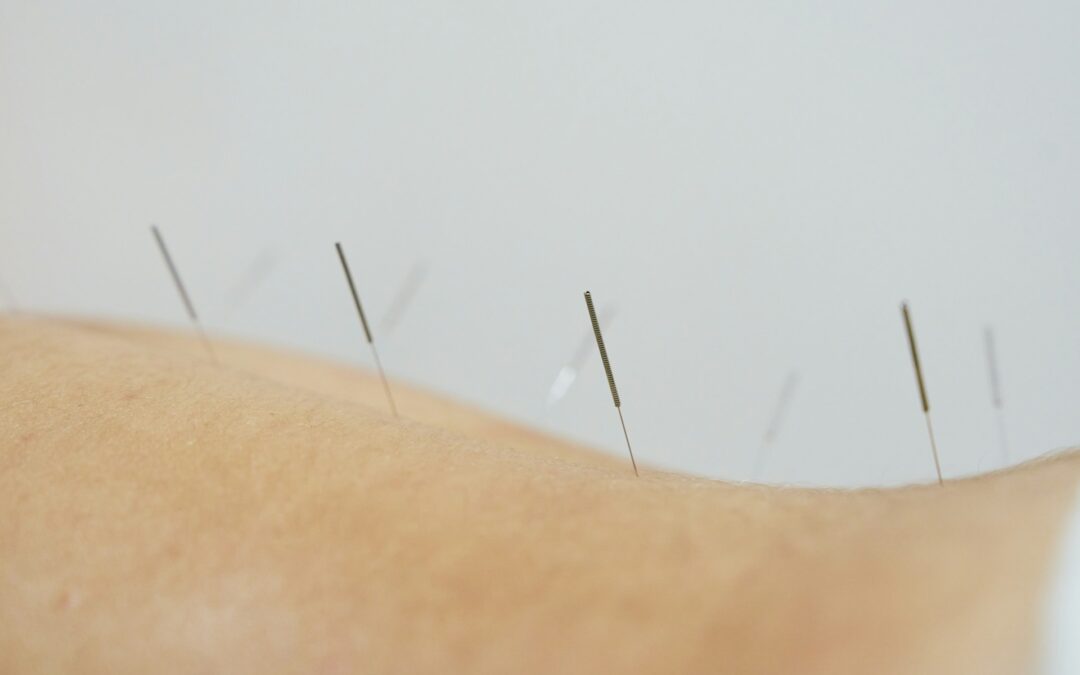
During dry needling, thin, sterile acupuncture needles are inserted into tight muscles or sensitive trigger points and may help release tension, improve mobility, and support recovery. However, acupuncture treatment may go beyond focusing on the uncomfortable muscle alone.
An acupuncture approach may also consider factors that can be relevant to how you feel and recover, including stress, sleep, digestion, mood, and overall well-being. This allows treatment to consider both the area bothering you and the person as a whole.
At Alivia Acupuncture Clinic, each treatment is personalized according to your injury, symptoms, activity level, recovery goals, and preferences. When appropriate, acupuncture may also complement care provided by physicians, physical therapists, athletic trainers, and other healthcare professionals.
For athletes in Paradise Valley, Phoenix, and Scottsdale, this means treatment does not have to follow the same formula every time. A session may include techniques directed toward a tight or sensitive muscle while also incorporating other acupuncture points based on your individual presentation.
Matching Care to Your Training Symptoms
A stubborn knot after lifting, reduced shoulder mobility after laps in the pool, or hip stiffness after a long ride may lead you to ask whether a muscle-focused needling technique could be appropriate.
Before treatment, we take time to understand what you are experiencing and how it fits into your overall activity and recovery routine. We may discuss when the discomfort began, changes in your training, movements that seem to aggravate it, and other factors that may be relevant.
Pain location does not always tell the entire story. Rather than automatically focusing only on the area that hurts, an individualized acupuncture treatment may consider surrounding muscle tension, movement patterns, activity demands, stress, and other aspects of your overall well-being.
We may also have a broader conversation when physical discomfort occurs alongside concerns such as:
- Difficulty sleeping or feeling well-rested
- Increased stress during demanding training periods
- Digestive discomfort
- Headaches or menstrual concerns
- Difficulty relaxing after practices, games, or races
These factors do not necessarily explain the source of an injury or pain. They may, however, provide useful context when creating an individualized acupuncture treatment.
Acupuncture may complement appropriate mobility work, strength training, rest, physical therapy, and medical care without replacing the role of other professionals involved in your health or training.
Planning Around Fall Sports and Desert Training
October often brings a fuller outdoor activity calendar in Paradise Valley, Phoenix, and Scottsdale. Hiking, road races, golf, pickleball, cycling, and outdoor conditioning may increase, while school sports bring practices, weekend games, and changing physical demands.
Even if you trained throughout the summer, changes in mileage, sport demands, activity level, or practice frequency may affect how your body feels.
Some athletes choose acupuncture after demanding training periods, while others may explore it when they notice muscle tension, limited mobility, or increased stress around their activities.
If you are new to acupuncture or a particular needling technique, consider discussing timing with your acupuncturist before an important competition or event. Some people may experience temporary soreness or fatigue after treatment, while others may respond differently.
Looking at Recovery More Broadly
Recovery is rarely about one muscle or one treatment.
Your activity schedule, training demands, ability to rest, stress levels, sleep, and next goal may all be useful parts of the conversation. Someone preparing for a fall race may have different needs from an athlete recovering after a tournament or someone returning to exercise after time away.
That is why treatment at Alivia Acupuncture Clinic may combine muscle-focused techniques such as dry needling with other acupuncture approaches rather than treating them as separate choices.
The techniques used may change from visit to visit depending on how you are feeling and what your current goals are.
Making an Informed Recovery Decision
Before your visit, you may find it helpful to notice when the discomfort began, which movements seem to affect it, how your training has recently changed, and what you have already tried.
Those details may help guide a conversation about whether dry needling, other acupuncture techniques, or a combination may fit into your broader recovery routine.
There is no single technique that is right for every athlete or every type of discomfort. Individual responses may vary, and acupuncture should be considered alongside the other forms of professional care and recovery support that are appropriate for you.
Support Your Recovery With Personalized Acupuncture Care
At Alivia Acupuncture Clinic, we personalize treatment according to your symptoms, activity level, recovery goals, and preferences. Dry needling may be incorporated alongside other acupuncture techniques when appropriate rather than treated as a separate, one-size-fits-all service.
If you are exploring dry needling for athletes in Paradise Valley, Phoenix, or Scottsdale, contact Alivia Acupuncture Clinic to learn how individualized acupuncture care may complement your recovery routine.
This information is intended for educational purposes only and does not provide medical advice, diagnosis, or treatment. Acupuncture is not a substitute for professional medical care. Please consult your primary care provider or a qualified healthcare professional regarding any health concerns or before beginning new treatments. Individual experiences may vary.