
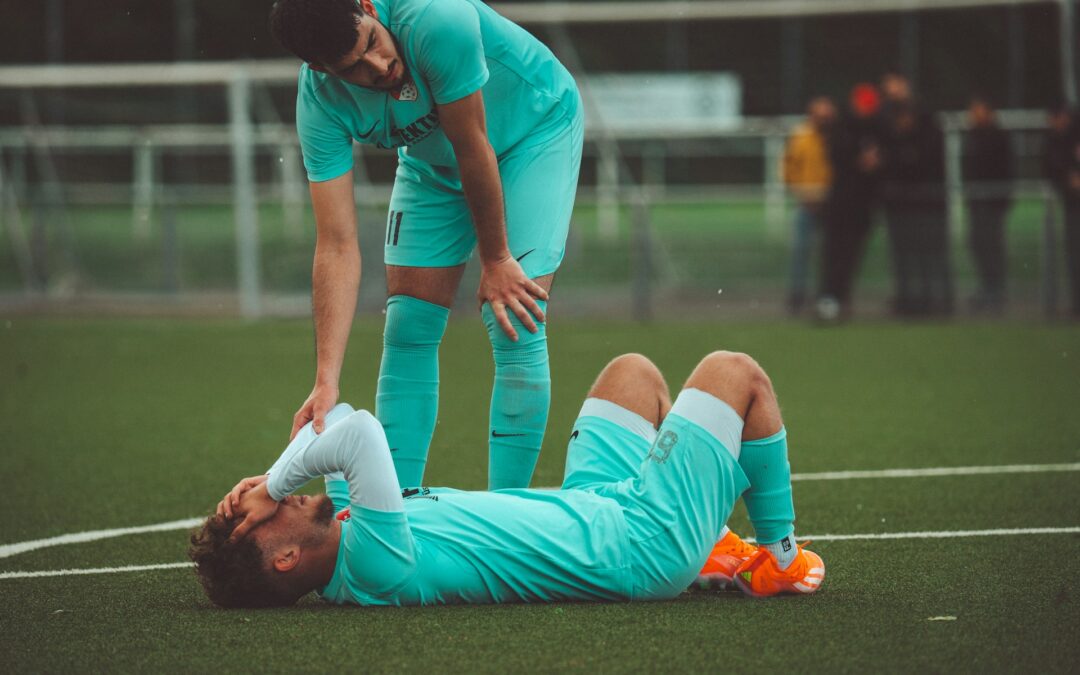
Move Past Sports Pain with an Informed Plan
Sports pain can make everyday life feel smaller. When tight muscles, sore joints, or limited movement interrupt training, work, or weekend fun, pushing through is not always the best answer. Around Phoenix and Scottsdale, September can bring fall race preparation, youth sports, golf outings, hiking plans, and recreational leagues, all while lingering heat continues to add to fatigue.
We believe recurring soreness deserves a closer look, especially when it keeps returning after activity. Understanding dry needling for sports injuries in Phoenix and Scottsdale can help you ask better questions about your options, what recovery may involve, and why a full assessment should come before any needling-based care.
Dry Needling for Sports Injuries in Phoenix and Scottsdale Explained
Dry needling is a technique that some licensed healthcare professionals use for muscle-related pain and movement concerns. It generally involves placing a thin, solid needle into a tight muscle area or myofascial trigger point that may be linked with guarding, discomfort, reduced range of motion, or altered movement patterns. The word “dry” simply means that no medication is injected through the needle.
The goal is not to promise a quick fix. Depending on the concern, dry needling may be used to help reduce muscle tension, support short-term pain modulation, and make movement feel easier for some people. Results can vary based on the injury, your training routine, your overall health, and whether your recovery plan addresses the reasons the problem developed.
Before any treatment, we believe it is important to look beyond the painful spot. A thoughtful provider should consider:
- Your injury history and current symptoms
- Training load, recent changes, and recovery habits
- Movement patterns, mobility, and strength concerns
- Red flags that may call for medical evaluation or referral
Runners with calf tightness, cyclists with hip discomfort, golfers with shoulder tension, and recreational athletes with overuse concerns may all seek support for similar reasons. Still, the right approach depends on the person, not just the sport.
Needling May Support Sports Injury Recovery
Muscle strains, lingering tightness after activity, neck and shoulder tension, low back discomfort, hip and glute pain, calf soreness, and repetitive-training limitations can all affect how you move. Needling approaches may be considered within a broader plan for these concerns, but a body part should never be treated in isolation. The same sore calf, for example, may be connected to training volume, movement habits, recovery time, or another issue that needs attention.
For lasting progress, comfort is only one piece of the picture. Needling may create a window where movement feels more manageable, but it does not replace gradual loading, appropriate rest, mobility work, strength exercises, quality sleep, hydration, nutrition, or guidance about returning to activity.
Late September often brings a renewed push toward outdoor workouts as fall events and sports seasons get underway. A quick jump in mileage, intensity, or practice time can still leave muscles feeling overworked, particularly when heat and sun exposure remain part of the routine. We encourage a gradual return and careful attention to changes in pain, swelling, weakness, or function.
Dry Needling Is One Technique Used in Acupuncture
Dry needling is not separate from everything an acupuncturist does. It is one of the techniques a licensed acupuncturist may use when treating sports injuries, muscle tension, myofascial trigger points, and movement-related pain. Acupuncture is much broader and may incorporate trigger-point needling, motor-point needling, traditional and distal acupuncture points, electroacupuncture, and other techniques within an individualized treatment plan.
During dry needling, thin, sterile acupuncture needles are inserted into tight muscles or sensitive trigger points to help release tension, improve mobility, and support recovery. However, acupuncture treatment can go far beyond treating the painful muscle alone.
Acupuncture can also address concerns that may affect recovery, including stress, sleep, digestion, and overall well-being. This allows treatment to support both the injured area and the person as a whole.
At Alivia Acupuncture Clinic in Scottsdale, each treatment is personalized according to your injury, symptoms, activity level, recovery goals, and preferences. When appropriate, acupuncture can also complement care provided by physicians, physical therapists, athletic trainers, and other healthcare professionals.
Smart Training Supports a Safe Return to Sport
A useful treatment visit begins with a conversation, not a needle. We want to understand how the injury happened, what movements trigger symptoms, how your sport affects your body, and what you hope to return to doing. A health history review and symptom assessment can help guide care while also identifying concerns that may need additional evaluation.
Certain symptoms should not be brushed aside. Severe pain, sudden loss of strength, major swelling, numbness, fever, unexplained symptoms, or an inability to bear weight can require prompt medical attention.
After a needling-based treatment, some people may notice temporary soreness, mild bruising, fatigue, or a different muscle sensation. Aftercare should match your activity level and may include recommendations about modifying intense exercise, using gentle movement, staying hydrated, and allowing time before competition or a demanding workout.
Instead of measuring recovery by pain alone, we encourage you to notice function. Consider whether you can move through a fuller range of motion, tolerate training better, feel stronger, and complete sport-specific motions without worsening symptoms. Open communication about setbacks, upcoming races, games, or tournaments helps keep the plan realistic.
Personalized Sports Recovery Conversations
Recurring sports pain and stubborn muscle tightness deserve more than a one-size-fits-all answer. When you discuss your sport, injury history, current symptoms, and recovery goals with us, we can better consider whether acupuncture or another appropriate service may align with your needs.
Whether you are preparing for a fall race, returning to the golf course, beginning a new sports season, or simply hoping to move with greater ease, a safer return usually starts with patience. Progress gradually, listen to meaningful changes in your body, and make decisions based on function as well as comfort.
Support Your Return to the Activities You Enjoy
At Alivia Acupuncture Clinic LLC, we provide individualized care that considers your injury history, movement goals, and training demands. Learn whether dry needling for sports injuries in Phoenix and Scottsdale may complement your recovery plan and help address areas of muscle tension. To discuss your needs with our team, contact us today.
This information is intended for educational purposes only and does not provide medical advice, diagnosis, or treatment. Acupuncture is not a substitute for professional medical care. Please consult your primary care provider or a qualified healthcare professional regarding any health concerns or before beginning new treatments. Individual experiences may vary.